


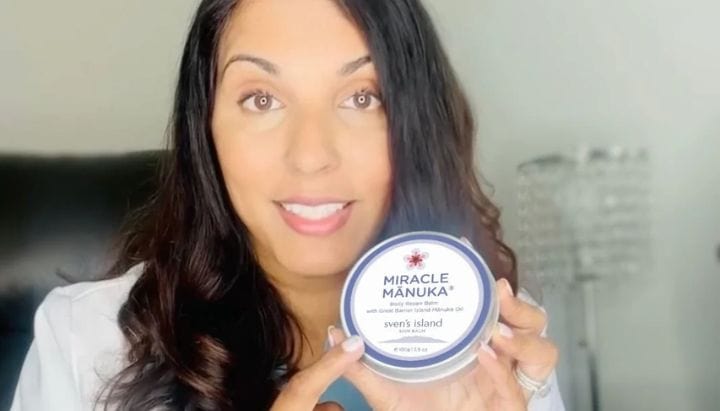
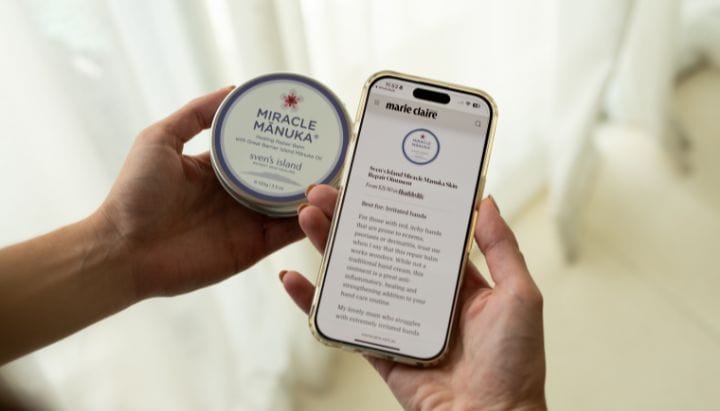


900+ clinicians shared our products on FrontrowMD, with no compensation.
Key Takeaways
- Wet wrap therapy involves applying a moisturiser to eczema-affected skin, covering with a damp layer, then a dry layer on top — left on for several hours or overnight.
- It works by sealing moisture into the skin, reducing water loss, calming itch, and enhancing absorption of whatever product is applied underneath.
- Clinical research shows a five-day wet wrap regimen can significantly reduce eczema severity and improve sleep — with results lasting weeks to months.
- It's best used for moderate to severe flares, not as a daily routine — overuse can increase the risk of skin infections.
- The product used as the base layer matters. A formula that addresses both skin barrier repair and the bacterial drivers of flares can help deliver stronger results.
- Always consult your GP or dermatologist before starting wet wrap therapy, especially for children or when using alongside topical steroids.
When a flare is bad enough that nothing else is touching it — the creams aren't cutting through, the itch is relentless, and sleep feels impossible — wet wrap therapy is one of the more research-backed tools available for managing acute flares at home.
While many people with eczema have heard of it, most don't know how it actually works, when to use it, and — critically — what to put on the skin before wrapping. Getting those details right is the difference between lasting and short term relief.
What Is Wet Wrap Therapy?
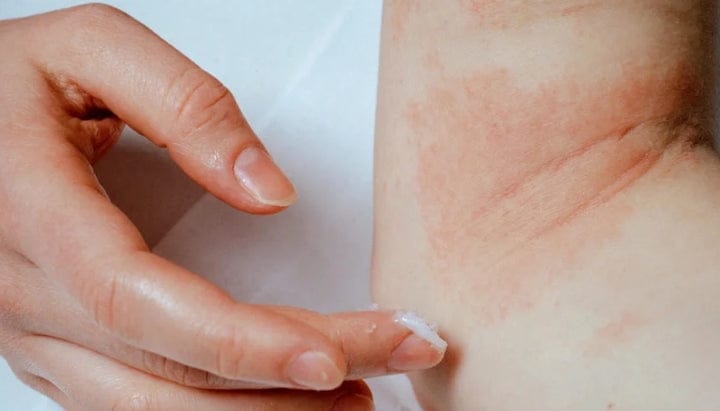
Wet wrap therapy involves three steps: bathing in lukewarm water for 10–15 minutes, applying a moisturiser or prescribed topical while the skin is still damp, then covering the area with a wet cotton layer followed by a dry layer on top.
The wraps are left in place for several hours or overnight. They can be remoistened with warm water if they dry out.
It sounds simple. The mechanism behind why it works is more interesting.
Why It Works
The primary driver of barrier dysfunction in eczema is transepidermal water loss (TEWL) — the skin's inability to retain moisture. Wet wrapping addresses this directly. The damp layer creates an occlusive environment that slows TEWL, hydrates the outer skin layers, and cools the skin simultaneously.
That cooling effect matters: it reduces the heat-driven component of itch that makes flares unbearable, particularly at night.
The second mechanism is absorption enhancement. Whatever product is applied before wrapping is driven deeper into the skin by the occlusive effect — meaning it works more effectively than it would applied and left open to the air.
When to Use It — and When Not To
Wet wrap therapy is best suited to moderate to severe flares — the kind where the skin is visibly inflamed, itch is severe, and sleep is being disrupted. It's not designed for everyday maintenance use.
For children, it's particularly effective as a physical barrier against overnight scratching. For adults, overnight wrapping during a bad flare can break the itch-scratch-damage cycle long enough for the skin to begin calming.
One important caution: if the skin shows signs of active bacterial infection — weeping, crusting, spreading redness, or increased pain — wrapping can seal bacteria against the skin and worsen the infection. Understanding the difference between a standard eczema flare and an infected eczema flare matters here.
Wet wrapping should generally not continue for more than one to two weeks. Beyond that, the occlusive environment can increase infection risk.
Always consult your GP or dermatologist before beginning, particularly for young children or when using alongside topical steroids.
What to Put Underneath
The base layer product is not incidental — it's arguably the most important variable in whether wet wrapping delivers lasting benefit or just temporary relief.
Most standard moisturisers address the hydration side. Applied under a wrap, they work more effectively than usual. But for many people with eczema, the bacterial side of the flare — elevated Staphylococcus aureus (Staph bacteria) levels disrupting the barrier and sustaining inflammation — goes unaddressed. A moisturiser applied under wraps will still only do what a moisturiser does.
This is why understanding why eczema keeps coming back even after short-term interventions matters. A base product that addresses both barrier repair and bacterial balance will tend to deliver more lasting results than one that only hydrates.
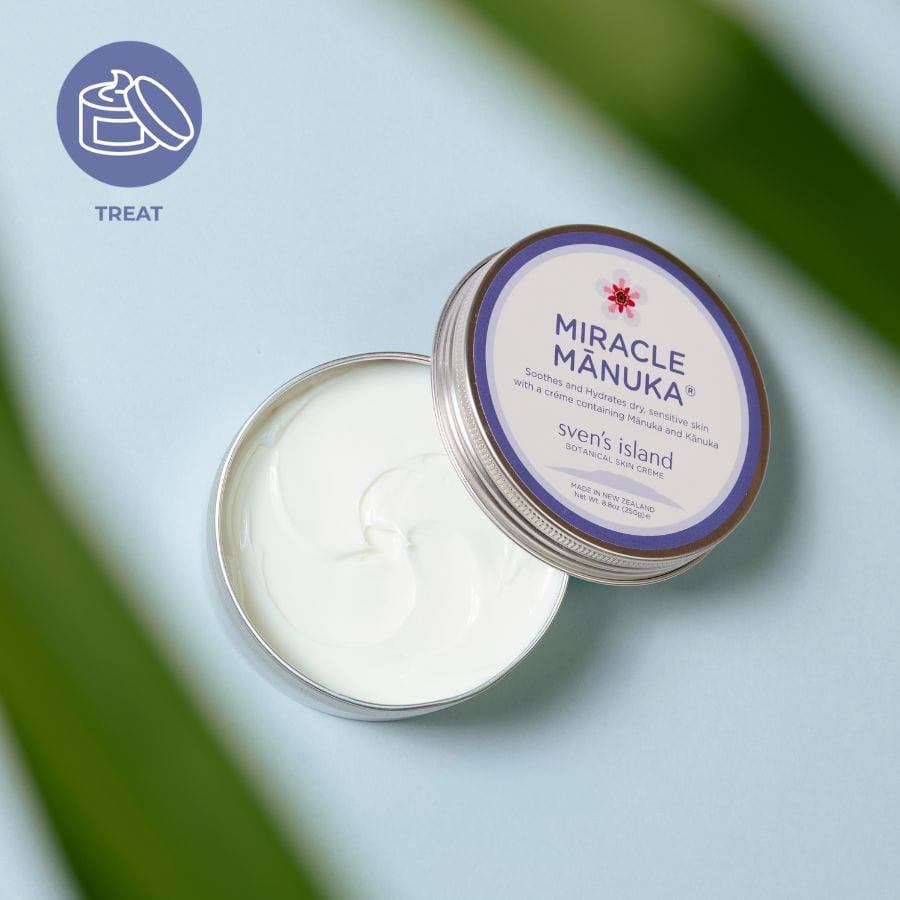
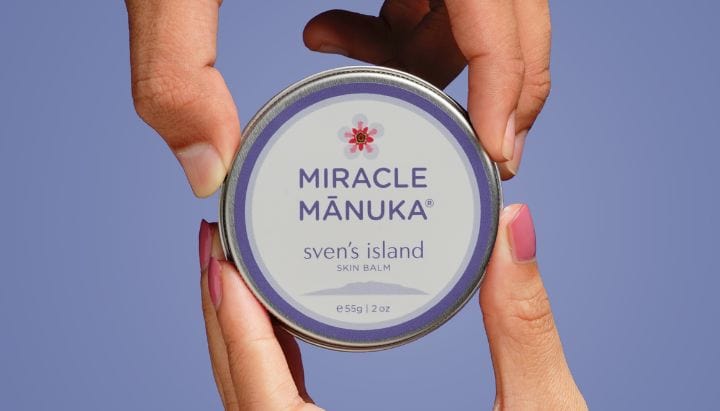
Sven's Island Miracle Manuka Creme is formulated with Manuka leaf oil and Kanuka, both clinically shown to fight Staph bacteria, alongside Marshmallow root to support barrier repair — steroid-free, fragrance-free, and safe from birth.
Its occlusive properties make it well-suited as a wet wrap base layer during flares. 95% of users noticed significant improvement in eczema symptoms after 2 weeks, and it's trusted by 100,000+ families managing eczema-prone skin.
How to Do It at Home
Step 1 — Bathe first. Lukewarm water (27–30°C) for 10–15 minutes. Avoid hot water — it worsens barrier dysfunction.
Step 2 — Pat dry gently. The skin should remain slightly damp.
Step 3 — Apply your base layer immediately. Apply your moisturiser or topical generously while skin is still damp.
Step 4 — Apply the wet layer. Dampen clean cotton bandages or a cotton garment, wring out so they're wet but not dripping, and apply over the treated area.
Step 5 — Apply the dry layer. Cover with a dry bandage or dry cotton garment to hold the wet layer in place.
Step 6 — Leave in place. Several hours, or overnight. Remoisten the inner layer if it dries out.
Step 7 — Remove and moisturise again. Apply another layer of moisturiser after removing the wraps.
Evening application tends to work best — skin repair processes peak during sleep, making overnight wet wrapping particularly effective for itch-disrupted sleep.
What the Research Shows
Clinical research on wet wrap therapy for atopic dermatitis suggests it can help reduce eczema severity and improve sleep, but the evidence is still evolving and not all studies are high quality.¹
Another study led by clinicians at National Jewish Health found that children with moderate to severe atopic dermatitis who underwent a short course of wet wrap therapy showed large reductions in eczema severity, with symptom scores falling by roughly 70% on average.² Improvements often lasted at least a month after therapy ended, although the treatment was not a cure.²
A separate systematic review of 24 published studies concluded that wet wrapping can reduce the total amount of topical corticosteroids needed during a flare, which may support more conservative steroid use in moderate to severe cases.³ However, a 2016 meta‑analysis by Datting, Oranje et al., published in the Journal of the European Academy of Dermatology and Venereology, found that head‑to‑head comparisons between wet wrap therapy and standard topical steroids were based on low‑quality evidence.³ The same analysis also noted that overuse can slightly increase the risk of mild skin infections.³ Overall, the evidence supports wet wrap therapy as a reasonable short‑term option for moderate to severe flares, used under medical guidance and for limited periods.³
Frequently Asked Questions
What is wet wrap therapy for eczema?
Wet wrap therapy is a technique where moisturiser or topical medication is applied to eczema-affected skin, which is then covered with a damp cotton layer followed by a dry layer on top. Left in place for several hours or overnight, it rehydrates the skin, calms itch, and enhances product absorption. It's recommended for moderate to severe flares rather than everyday maintenance.
How long should you do wet wrap therapy?
Most clinical guidance recommends no more than one to two weeks at a time. Longer use can increase the risk of skin infections. For acute flares, even a two-to-five-day course can produce meaningful improvement.
Can you do wet wrap therapy at home?
Yes — once you understand the correct technique. Bathe first, apply your base layer while skin is still damp, apply a damp cotton layer, cover with a dry layer, and leave in place overnight. Always consult your GP first, particularly for children or if using alongside topical steroids.
What should you put under wet wraps?
A generous layer of moisturiser or prescribed topical. The base layer matters — the occlusive effect of wet wrapping drives product deeper into the skin, so a formula that is barrier-repairing and antibacterial will tend to outperform a standard moisturiser alone.
Is wet wrap therapy safe for babies and children?
It's widely used for children with moderate to severe eczema and has strong clinical backing in paediatric populations. Always consult your GP or paediatrician before beginning, and avoid using it over infected skin or for more than one to two weeks continuously.
A Final Thought
While wet wrap therapy isn't an instant cure for eczema, it's considered one of the most effective, evidence-based, short-term interventions for managing acute, moderate-to-severe eczema flares.
The technique matters. The timing matters. And the product underneath matters more than most people realise.
More than 100,000 families have made the switch. Try Sven's Island Miracle Manuka Creme for 60 days — if your skin doesn't improve, get your money back. No questions asked.
References
¹ National Institute of Allergy and Infectious Diseases (NIAID). (2017). Wet Wrap Therapy for Severe Eczema. NIH Clinical Center study, 2012–2017. https://www.niaid.nih.gov/diseases-conditions/wet-wrap-therapy
² Boguniewicz, M., Nicol, N., Klinnert, M., et al. (2014). Wet wrap therapy in children with moderate to severe atopic dermatitis. The Journal of Allergy and Clinical Immunology: In Practice, 2(4), 400–406. https://www.sciencedirect.com/science/article/abs/pii/S2213219814001154
³ Datting, J., Oranje, A. P., et al. (2016). Efficacy and safety of wet wrap therapy for patients with atopic dermatitis: a systematic review and meta‑analysis. Journal of the European Academy of Dermatology and Venereology. https://pubmed.ncbi.nlm.nih.gov/27861727/
Don’t Miss These
Works well with SELF-CARE


- $15.00 NZD
-
$25.00 - $15.00 NZD
- -40%
- Unit price
- per


- $79.20 NZD
-
$145.00 - $79.20 NZD
- -32%
- Unit price
- per
- $79.20 NZD
-
$115.00 - $79.20 NZD
- -14%
- Unit price
- per


- $55.20 NZD
-
$135.00 - $55.20 NZD
- -49%
- Unit price
- per


